

Cots To Tots
Add a review FollowOverview
-
Founded Date September 20, 1999
-
Sectors Fertilizer/ Pesticide
-
Posted Jobs 0
-
Viewed 112
Company Description
14 Creative Ways To Spend Extra Baby Cots Budget
The Essential Guide to Baby Cots in the UK
Choosing the right cot for a newborn can be a challenging job for new moms and dads. With numerous alternatives readily available in the UK market, comprehending the functions, security standards, and types of baby cots is essential. This article intends to offer a useful introduction of the numerous baby cots offered, their benefits, and considerations for moms and dads in the UK.
Kinds Of Baby Cots
There are numerous kinds of baby cots offered in the UK, each created to fulfill various requirements and preferences. The most typical types include:
-
Standard Cots: These are conventional baby cots that offer a safe sleeping environment for newborns and babies. They typically include adjustable bed mattress heights to suit the baby’s growth.
-
Convertible Cots: Also referred to as 3-in-1 or 4-in-1 cots, these flexible options can transform from a cot to a toddler bed and even into a full-size bed. They are created for extended usage, making them an affordable option.
-
Moses Baskets: Ideal for the early months, Moses baskets are light-weight and portable, making them easy to move the home. They typically come with a detachable cover and a soft bed mattress.
-
Travel Cots: These cots are collapsible and compact, particularly developed for parents on the go. They come with a luggage for simple transport and are perfect for pajama parties or vacation journeys.
-
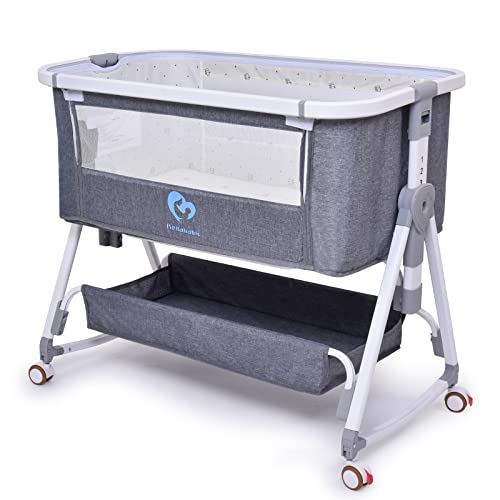
Co-Sleepers: These cots are designed to connect to the moms and dad’s bed, enabling simple access to the baby during the night while making sure the child has their own safe sleeping space.
Table 1: Comparison of Baby Cot Types
| Kind of Cot | Age Range | Portability | Longevity | Cost Range |
|---|---|---|---|---|
| Requirement Cot | Birth to 2 years | Low | Moderate | ₤ 120 – ₤ 300 |
| Convertible Cot | Birth to 5+ years | Moderate | High | ₤ 150 – ₤ 500 |
| Moses Basket | Birth to 6 months | High | Low | ₤ 40 – ₤ 150 |
| Travel Cot | Birth to 3 years | Very High | Low | ₤ 50 – ₤ 200 |
| Co-Sleeper | Birth to 6 months | Moderate | Low | ₤ 100 – ₤ 300 |
Safety Standards for Baby Cots in the UK
Ensuring the security of a baby cot is vital. In the UK, all cots must follow particular policies to ensure they are safe for use. The following requirements ought to be met:
-
British Standard BS EN 716: This basic sets requirements for the security and efficiency of kids’s cots and folding cots.
-
Material Safety: The cot needs to be made from non-toxic products that are devoid of damaging chemicals.
-
No Sharp Edges: Ensure there are no sharp edges or protruding points that might hurt the baby.
-
Steady Structure: The cot should have a stable base to prevent tipping, and the slats ought to be spaced correctly to avoid the baby’s head from getting trapped.
-
Mattress Fit: The bed mattress should fit snugly in the cot, without any spaces that could present a suffocation risk.
Features to Consider When Choosing a Baby Cot
When choosing a baby sale cot, moms and dads should keep the following functions in mind:
-
Adjustable Mattress Heights: Cots with adjustable heights make it easier to position and lift the baby as they grow.
-
Material Quality: Look for sustainably sourced wood or products that are both durable and safe for children.
-
Ease of Assembly: Cots that are easy to assemble and dismantle can conserve moms and dads time and disappointment.
-
Storage Options: Some cots come with integrated storage drawers to keep baby fundamentals arranged.
-
Design and Aesthetic: Choose a cot style that fits well with the home decor while ensuring it is functional and safe.
Frequently Asked Questions About Baby Cots in the UK
Q1: How much should I expect to invest in a baby cot?
A1: Prices for baby cots in the UK can vary extensively based on type and brand name, ranging from ₤ 40 for a standard Moses basket to over ₤ 500 for high-end convertible cots.
Q2: When can my baby move to a cot from a crib?
A2: Most babies shift to a cot between 6 months and 2 years, depending on their size and mobility. It’s important to monitor their developmental turning points.
Q3: Are pre-owned cots safe to use?
A3: While second-hand cots can be safe, guarantee they meet present safety standards and reveal no signs of wear, damage, or remembers. It’s suggested to avoid older designs that may not comply with existing regulations.
Q4: Can I use a cot for a co-sleeping plan?
A4: Co-sleeper cots are created particularly for this purpose, enabling you to keep your baby close while maintaining a safe sleeping environment. Always comply with co-sleeping security suggestions.
Q5: What is the best bed mattress type for a baby cot?
A5: A firm and flat mattress is advised for babies. Avoid soft mattresses, as they increase the danger of suffocation. Ensure it fits comfortably in the cot with no spaces.
Selecting the ideal baby cot is an essential decision for new moms and dads in the UK. It requires mindful consideration of security policies, kinds of cots available, and includes that cater to their particular needs. By being well-informed, parents can create a safe and comfortable sleeping environment for their newborns, guaranteeing peace of mind during those crucial early months. Eventually, investing time in research can result in a notified decision that balances safety, comfort, and practicality.