

Baby Cots On Sale
Add a review FollowOverview
-
Founded Date August 25, 1978
-
Sectors Market Research
-
Posted Jobs 0
-
Viewed 50
Company Description
What Is Baby Cot To Bed? To Make Use Of It
Transitioning from Baby Cot to Bed: A Comprehensive Guide for Parents
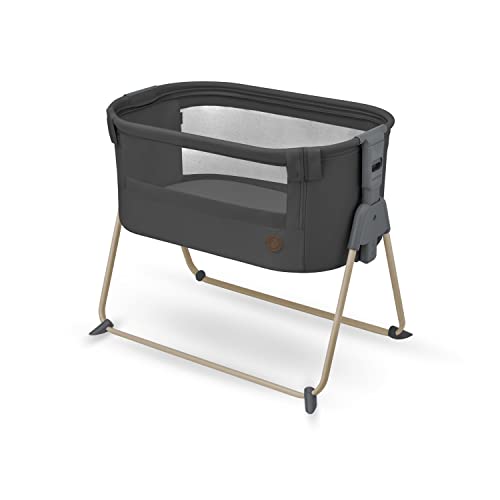
The journey from a baby small cot beds to a bed marks a substantial turning point in a kid’s advancement. It symbolizes independence and a step towards growing up. However, this shift can typically be intimidating for both parents and kids. Understanding the process, the right timing, and how to make the shift smoother can substantially help in this journey. This short article checks out the important to think about when transitioning your kid from a cot beds for sale to a bed, consisting of common FAQs, suggestions, and a structured strategy to ensure the process is as smooth as possible.
Why Transition from a Cot to a Bed?
Developmental Milestones
Transitioning to a bed is generally prompted by several elements:
-
Physical Growth: As kids grow, they outgrow their cots. The average size for a convertible cot is normally meant for babies as much as 3 or 4 years old.
-
Cognitive Development: As toddlers end up being more curious and conscious of their surroundings, they may attempt to climb out of their nursery cots, presenting security threats.
-
Potty Training: Once a kid is potty trained, they may need much easier access to the restroom, which a bed can facilitate.
-
Brother or sisters: The arrival of a new sibling can also require this shift, as the cot for sale might need to be maximized.
When to Make the Transition
There is no one-size-fits-all answer to when a child must shift from a cot to a bed. Nevertheless, here are some indications that it might be time:
- Climbing Out: If the kid is attempting to climb out often.
- Age Consideration: Many professionals advise this shift around the age of 2 to 3 years, although every child is special.
- Required for Independence: Children might express a desire for a big-kid bed.
Kinds Of Beds Suitable for Toddlers
Not all beds are produced equal when it comes to young kids. Here’s a breakdown of appropriate bed types:
| Bed Type | Description | Pros | Cons |
|---|---|---|---|
| Toddler Bed | Smaller, lower to the ground, often with side rails. | Size-appropriate for toddlers; stability. | Minimal lifespan as they grow out of rapidly. |
| Single Bed | Standard size bed suggested for older kids. | Lasts longer; can be used for many years. | May be too big for a toddler; risk of falling. |
| Convertible Crib | Crib that transforms into a toddler bed. | Versatile; saves money in the long run. | Can be pricey; some may not use full-sized options. |
| Loft Bed | Raised bed with space underneath for play or storage. | Maximizes area; enjoyable for kids. | Not ideal for extremely young children; safety issues. |
Steps to Transition Smoothly
Transitioning to a bed can be made easier with careful preparation. Here’s a detailed guide:
1. Prepare the Space
- Select a Location: Decide where the bed will be put.
- Childproof the Room: Since kids are naturally curious, guarantee that furniture is stable, sharp edges are covered, and dangerous products are out of reach.
- Keep Familiar Items: Retain preferred toys and bed linen to offer comfort in the brand-new environment.
2. Present the Bed
- Involve Your Child: Let your child aid select their bed or bedding to develop enjoyment.
- Explain the Transition: Make them understand that they are becoming a big kid by having a big-kid bed. Use motivating language.
3. Make the Swap
- Bedtime Routine: Keep the bedtime routine constant. This develops familiarity and convenience throughout the shift.
- Assistance: Offer them peace of mind but avoid being extremely protective; it’s essential to encourage self-reliance.
4. Address Fears and Concerns
- Discuss Fears: Children may have worries of falling or the dark; go over these freely.
- Reinforce Safety: Use guard rails on the bed at first and explain what to anticipate during the night.
5. Monitor and Adapt
- Be Patient: It may take time for your child to change totally.
- Stay Consistent: Maintain the nighttime regimen, even when difficulties occur.
Frequently Asked Questions Regarding Transitioning from Cot to Bed
Q1: How long does the transition from a cot to a bed generally take?
A1: The transition can vary considerably among children- varying from a few days to a couple of weeks- as they change to oversleeping a new space.
Q2: Should I buy a special toddler bed?
A2: Investing in a young child bed can make the shift simpler because they are created with safety in mind; nevertheless, if you choose to go directly to a single bed, that can work too with the ideal security procedures.
Q3: What if my kid keeps rising?
A3: This is regular! Motivate them to remain in bed and develop positive reinforcement by rewarding them for remaining in bed through the night.
Q4: Is it okay to transition to a big bed too early?
A4: Transitioning too early can cause sleep interruptions. It’s important to evaluate the preparedness of the kid based on their signs and advancement.
Transitioning from a baby cot sales to a bed is a significant action for both kids and parents. With thoughtful preparation and understanding of the kid’s requirements, moms and dads can make the shift smoother and more pleasurable. By recognizing when to make the transition, understanding the kinds of beds available, and maintaining a consistent routine, moms and dads can minimize fears and promote a complacency for their kid throughout this interesting new chapter. Ultimately, every child is various, and persistence is type in making this journey a favorable experience.